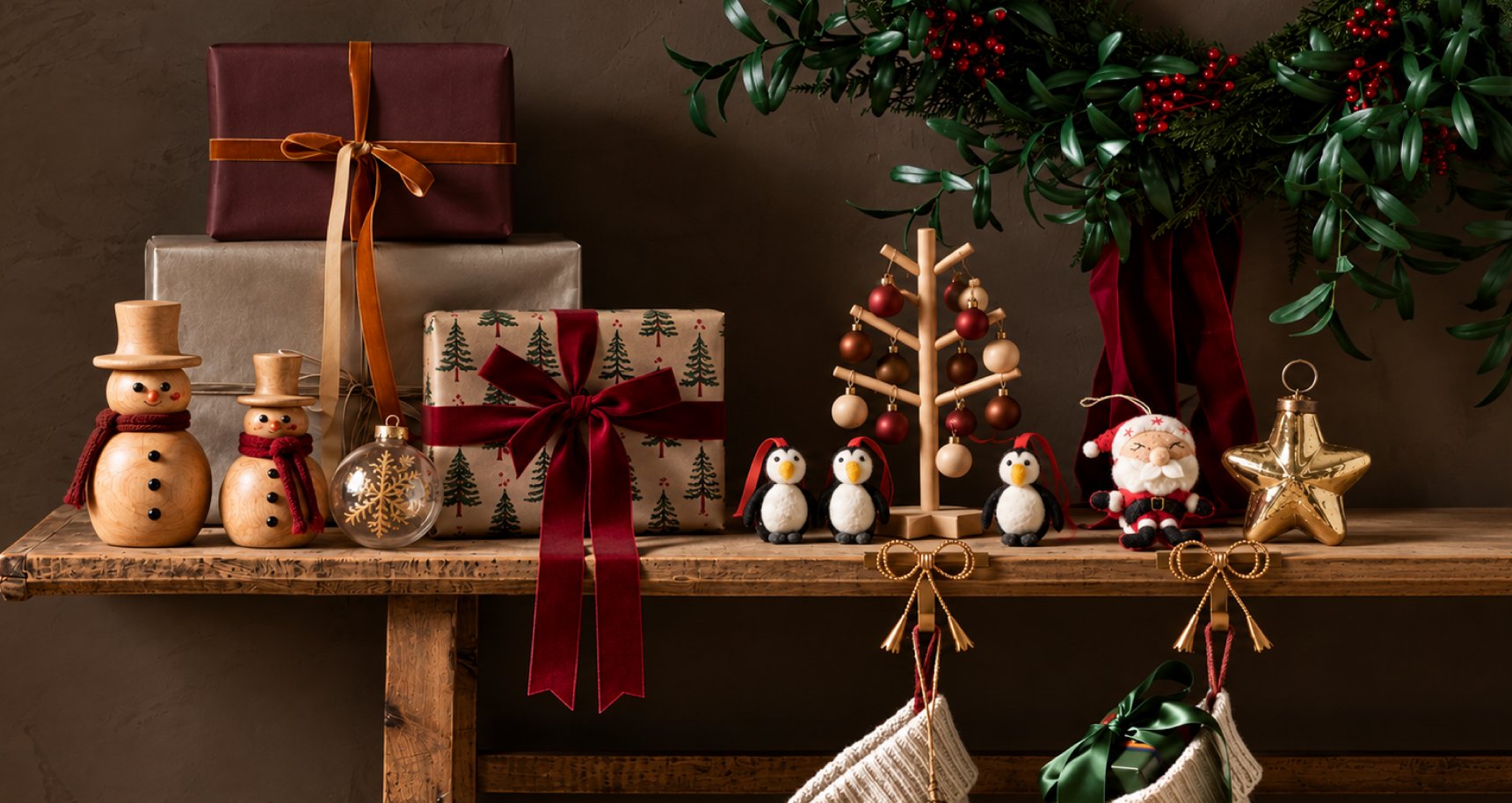
From Trend to Christmas Collection: How Buyers Can Develop Festive Homeware Products with Indian Sup
Turning Christmas Trends into Market-Ready Homeware Collections
Christmas collections require more than seasonal designs. For retailers, wholesalers and homeware brands, developing a successful festive range involves identifying relevant trends, selecting the right products, working with suitable suppliers and planning production well ahead of the selling season.
India offers a range of homeware manufacturing and craft capabilities that buyers can explore when developing festive collections. From decorative accessories and Christmas ornaments to cushions, table linen and kitchen textiles, buyers can work with suppliers to develop products that reflect their design direction, target market and commercial requirements.

So, how can buyers turn an initial trend idea into a coordinated Christmas homeware collection?
1. Start with a Clear Christmas Trend Direction
The first step is to establish the design direction for the collection. Buyers can explore seasonal themes such as traditional Christmas styling, natural materials, understated winter palettes, contemporary metallic finishes or playful decorative designs.
The right direction depends on the target customer, retail positioning and overall brand identity. A premium homeware brand may favour refined materials and subtle detailing, while a value-focused retailer may prioritise accessible price points and versatile decorative products.
Before approaching suppliers, prepare a brief outlining the intended theme, colour palette, materials, product types and target price range. Reference images and examples can help communicate the creative direction clearly.
2. Identify the Right Festive Homeware Categories
Once the trend direction is established, buyers can decide which product categories will form the collection. Indian suppliers may offer capabilities across different homeware categories, depending on their manufacturing specialisms.
Potential product opportunities include:
-
Christmas decor: Hanging ornaments, decorative accents and festive accessories.
-
Home textiles: Cushions, throws and soft furnishings featuring seasonal colours, patterns or embroidery.
-
Table linen: Table runners, placemats, napkins and tablecloths for festive dining.
-
Kitchen textiles: Tea towels, aprons and other practical products with seasonal designs.
-
Decorative accessories: Candle holders, tabletop products and giftable home accents.
Buyers should consider how these categories work together. A coordinated collection built around a shared palette or design theme can create a more consistent retail presentation than sourcing unrelated products individually.
3. Work with Indian Suppliers to Develop Products
Trend research provides direction, but product development turns that direction into a manufacturable item.
Depending on the product, development may involve selecting fabrics, deciding dimensions, refining patterns, choosing finishes or adapting existing designs to meet a buyer’s requirements. Suppliers may also be able to support customised products based on a specific brief.
When evaluating Indian suppliers, buyers should consider their experience with the relevant product category, manufacturing capabilities, customisation options, minimum order quantities and ability to meet the required specifications.
Clear communication is particularly important when developing seasonal products, as design changes late in the process can affect costs and production schedules.
4. Approve Samples Before Moving into Production
Sampling allows buyers to evaluate a product before committing to bulk production. For Christmas homeware, this may include reviewing colour accuracy, materials, dimensions, stitching, decorative finishes and overall workmanship.
Samples should be checked against the agreed product specifications. Any changes should be documented and approved before production begins.
For collections containing multiple coordinated products, buyers should also review consistency across the range. Colours, materials and finishes should work together to support the intended design direction.
A structured sampling process helps buyers identify issues early and gives suppliers a clearer reference for manufacturing the approved products.
5. Plan Costing, Quality and Production Timelines
Christmas products are seasonal, so timing is a key consideration. Buyers need to work backwards from their required delivery dates, allowing time for product development, sample approval, production, quality checks, shipping and any necessary revisions.
Commercial discussions should cover product costs, minimum order quantities, production capacity, payment terms and lead times. Buyers should also agree on quality expectations before production starts.
Depending on the products and destination market, relevant considerations may include material requirements, labelling, packaging, product safety and applicable compliance standards.
Quality checks at appropriate stages of production can help identify inconsistencies before goods are shipped. Clear specifications and agreed inspection processes also help suppliers understand the standards expected.
6. Develop a Collection That Works for Your Market
A Christmas collection should reflect the preferences of the customers it is intended to serve. Colour choices, materials, decorative details and product types may vary according to the target market and retail positioning.
Buyers should consider whether the range needs statement pieces, smaller giftable items, practical home textiles or coordinated products across several categories.
Price positioning is equally important. Product design, material selection, production complexity and packaging all influence the final cost. Evaluating these factors together helps buyers balance creative ambitions with commercial requirements.
Rather than focusing only on individual products, buyers can assess how the full collection will work across their planned retail assortment.
How 3SGlobal Supports Festive Homeware Sourcing
Developing a Christmas collection involves coordination across product discovery, supplier identification, product development, procurement, quality management and delivery.
3SGlobal supports international buyers with sourcing and supply-chain solutions, helping businesses explore manufacturing capabilities and manage different stages of the sourcing process. Depending on project requirements, support can include supplier sourcing, product development, procurement coordination, quality management and logistics.
For buyers planning festive homeware ranges, a structured sourcing approach can help connect product requirements with suitable manufacturing capabilities and clear production expectations.
Plan Your Next Christmas Homeware Collection
Turning a seasonal trend into a retail-ready collection requires early planning, clear specifications and close coordination with suppliers. From choosing product categories to approving samples and confirming production schedules, each stage contributes to the final result.
For retailers, wholesalers and homeware brands exploring Christmas homeware sourcing from India, the starting point is a clear product brief and an understanding of the commercial requirements.
Planning your next festive collection? Connect with 3SGlobal to discuss your homeware sourcing requirements and explore potential product development opportunities in India.
Frequently Asked Questions (FAQs)
1. What Christmas homeware products can buyers source from India?
Buyers can explore a range of products, including Christmas decorations, ornaments, cushions, throws, table linen, kitchen textiles and decorative accessories. Availability depends on the supplier’s manufacturing capabilities and product specialisation.
2. How can buyers develop customised Christmas homeware products with Indian suppliers?
Buyers can share a product brief covering the design concept, materials, colours, dimensions, finishes, packaging and target price. Suppliers can then assess feasibility, develop samples and refine the product based on feedback before production.
3. When should buyers start sourcing Christmas homeware collections?
Buyers should plan well ahead of the selling season. The timeline depends on product complexity, sampling requirements, order quantities, production capacity and shipping arrangements. Early planning allows more time for revisions, quality checks and delivery.
4. What should buyers consider when selecting Indian homeware suppliers?
Key considerations include manufacturing capabilities, product quality, customisation options, minimum order quantities, pricing, production lead times, export experience and relevant compliance requirements. Buyers should confirm specifications and quality expectations before placing production orders.
5. How can 3SGlobal help with Christmas homeware sourcing?
3SGlobal supports international buyers with sourcing and supply-chain services, including supplier identification, product development, procurement, quality management and logistics. Support can be tailored to the buyer’s product requirements and sourcing needs.

 Privacy Policy
›